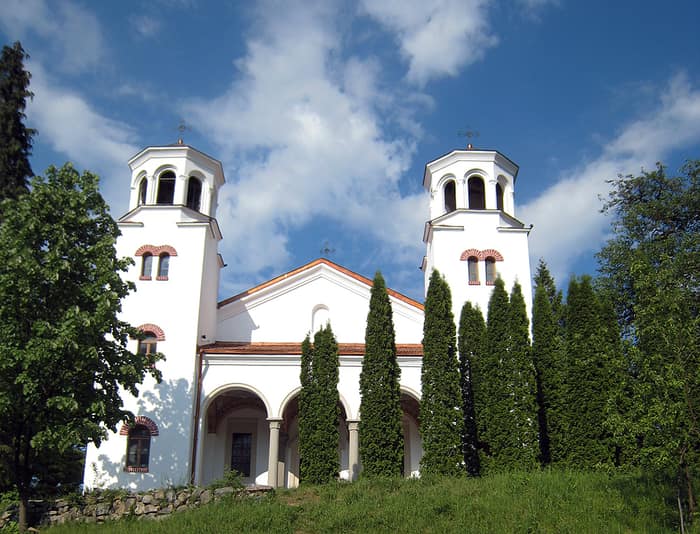
Klisurski Monastery, a Quiet Nunnery in the Western Balkan Mountains
Klisurski Monastery of St Cyril and St Methodius is an active Bulgarian Orthodox nunnery in north-western Bulgaria, about 9 km from Berkovitsa and 85 km from Sofia. It lies at the foot of the northern slopes of Todorini Kukli peak and is ranked as the fourth largest monastery in the country. Anyone looking for a calm, scenic stop between Berkovitsa and Varshets will find it worth the detour.
Klisurski Monastery is officially a settlement of its own, yet at the 2011 census it counted just 16 inhabitants. Its founding is dated to 1240, and fire swept it again and again.
The history of Klisurski Monastery
The monastery is said to have been founded in 1240, during the Second Bulgarian Empire, in a wooded spot below the northern slopes of Todorini Kukli in the western Balkan Mountains. Its early centuries are poorly documented. What the sources do agree on is that the community was burned, destroyed and rebuilt by local Christians more than once during Ottoman rule.
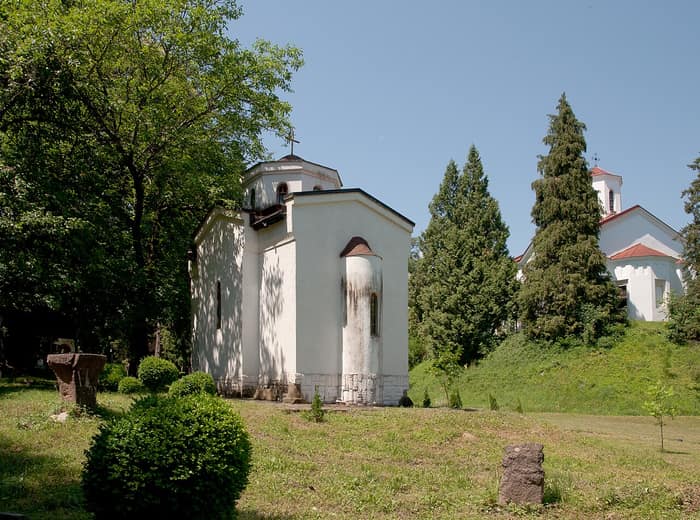
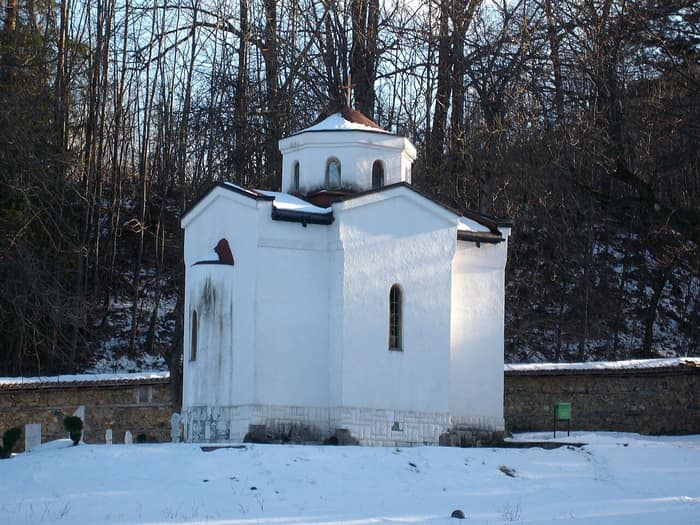
One of the darkest episodes is dated to 1862, when the monastery was set on fire and monks and pilgrims were killed by a Turkish pasha and his soldiers. The place had to be raised again almost from nothing, and the work was led during the Bulgarian National Revival by the hieromonk Antim, whose secular name was Alexander Damyanov, from Berkovitsa. In 1869 he built the monastery kitchen, then the chapel of St Nicholas and the ayazma, the holy spring that still belongs to the complex.
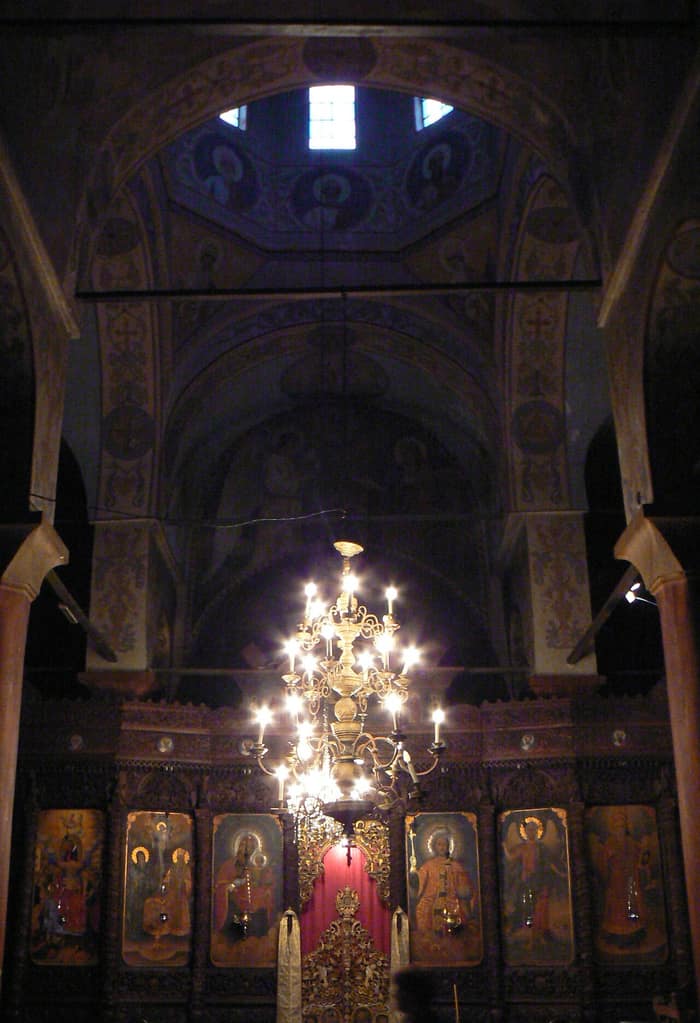
The main church, dedicated to the Equal-to-the-Apostles Cyril and Methodius, was built between 1887 and 1890 and officially consecrated in 1891. Antim stayed on as founder-benefactor and abbot until his death in 1922, and another well-known donor was Iliya Stoyanov. In 1936–37 the church and the monastery were restored, and they have kept that appearance to this day. The restoration was the work of master craftsmen from Samokov, who also made the iconostasis.
The murals were painted by Gospodin Zhelyazkov, who died after a fall from the scaffolding inside the dome. The work was finished by his daughter and son-in-law, the painters Olga Bogdanova and Prof. Georgi Bogdanov. The monastery also holds individual icons by Russian artists and works by masters of the Debar art school. Today the complex includes two churches, three residential buildings, a farmyard and a kitchen.
Since May 2007 the monastery has been home to six nuns, Bulgarians from Vardar Macedonia, who settled here and continue the monastic life. The monastery celebrates its patronal feast on 11 May.
Curious facts about Klisurski Monastery
- The monastery has the status of a separate settlement, and the 2011 census recorded only 16 inhabitants.
- It is listed as the fourth largest monastery in Bulgaria, with two churches, three residential buildings, a farmyard and a kitchen.
- The painter of the main church murals, Gospodin Zhelyazkov, died after falling from the scaffolding in the dome; his daughter and son-in-law completed the work.
- The iconostasis and the 1936–37 restoration were the work of master craftsmen from Samokov.
- Besides Bulgarian works, the monastery holds individual icons by Russian artists and pieces from the Debar art school.
- A short film about the Bulgarian nuns from Vardar Macedonia who settled here in 2007 has been published online.
Tours near Klisurski Monastery
Experiences in the area that you can book online with Viator:


Visiting Klisurski Monastery: what to expect
- The monastery is an active nunnery, so quiet and modest dress are appropriate; check the current visiting conditions and opening hours before you go.
- Look for the main church of Cyril and Methodius with its murals and iconostasis, the chapel of St Nicholas and the ayazma, the holy spring.
- The setting at the foot of Todorini Kukli is a popular place for a short rest and a walk; detailed trail information is not available in the sources.
- Berkovitsa is about 9 km away and Varshets lies on the other side of the monastery, so the visit fits easily into a day around the western Balkan Mountains.
Opening hours, access and conditions can change. Check before you go.
Map: where Klisurski Monastery is
Photos of Klisurski Monastery
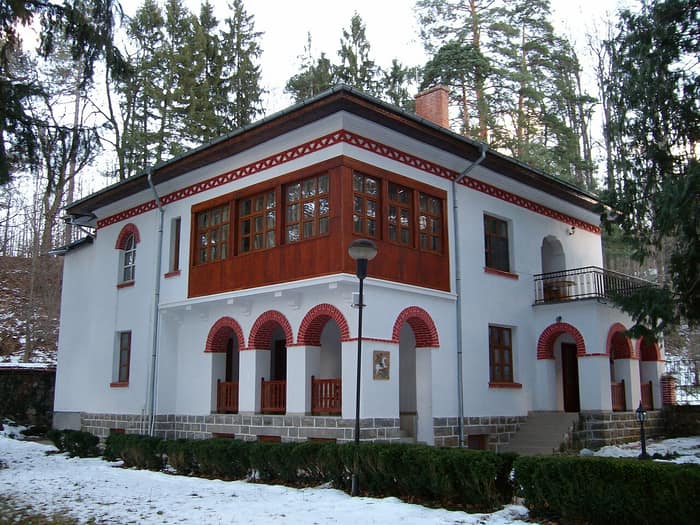
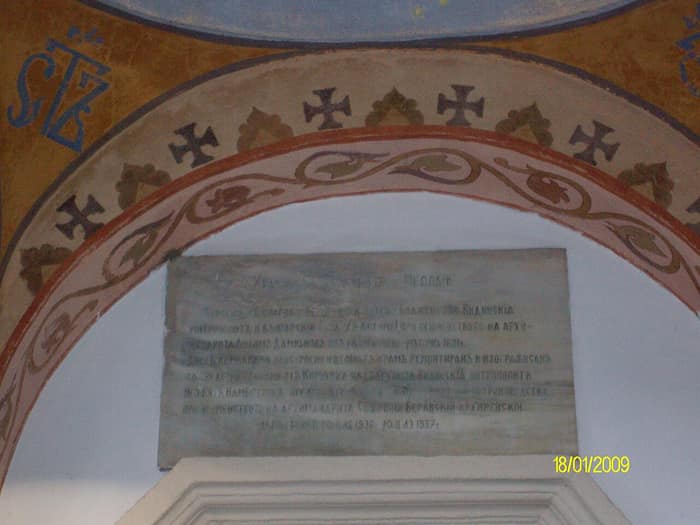
Questions
What is Klisurski Monastery?
Klisurski Monastery, also called Klisura Monastery, is an active Bulgarian Orthodox nunnery dedicated to St Cyril and St Methodius. It belongs to the Vidin eparchy and is ranked as the fourth largest monastery in Bulgaria.
Where is Klisurski Monastery?
It is in north-western Bulgaria, in Montana Province, between the towns of Berkovitsa and Varshets. It is about 9 km from Berkovitsa and 85 km from Sofia.
When was Klisurski Monastery founded?
The monastery is dated to 1240, in the time of the Second Bulgarian Empire. It was destroyed several times under Ottoman rule, rebuilt from 1869, and its church was consecrated in 1891.
Who lives at Klisurski Monastery today?
It is a nunnery. Since May 2007 six Bulgarian nuns from Vardar Macedonia have settled there.
What is the monastery's feast day?
The patronal feast of the monastery is celebrated on 11 May.
What can be seen at Klisurski Monastery?
Main attractions are the church of Cyril and Methodius with murals and an iconostasis from the 1936–37 restoration, the chapel of St Nicholas and the holy spring. The monastery lies in a scenic spot under Todorini Kukli peak.
Also nearby
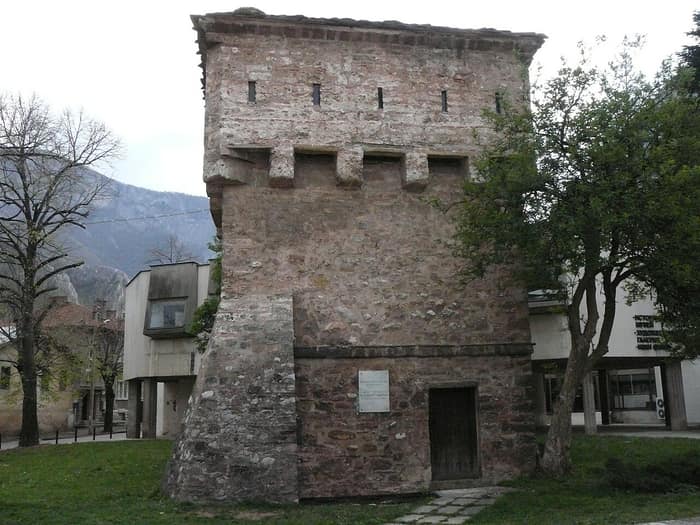
Tower of Kurt Pasha
Vratsa · a 17th-century tower house that looks like a castle
28 km away
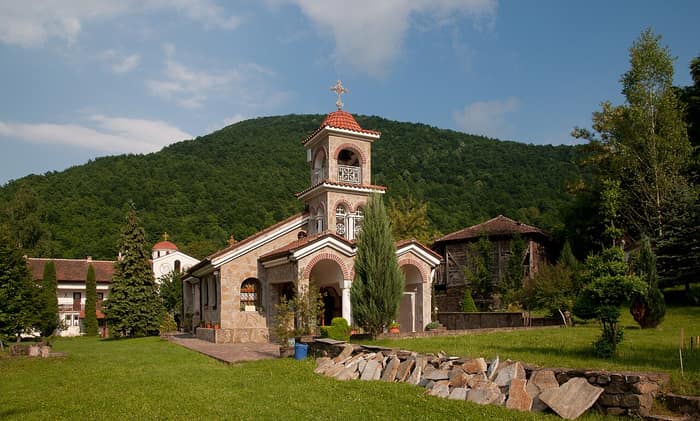
Vrachesh Monastery
Botevgrad · active monastery born from a medieval victory
52 km away
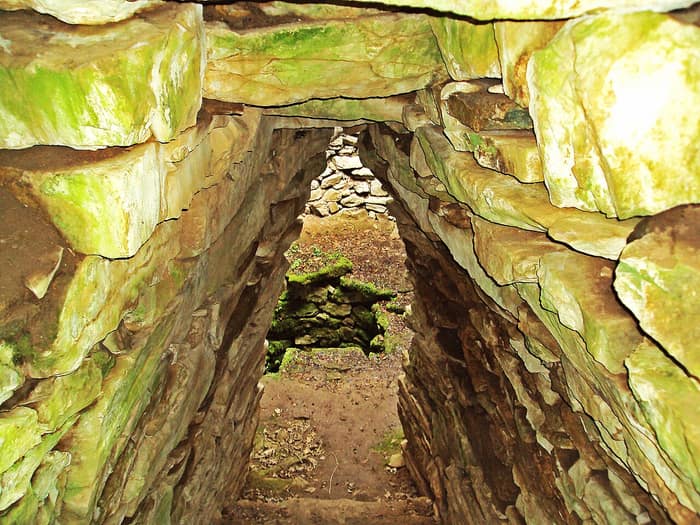
Sacred Pit of Garlo
Garlo · underground well-temple with Sardinian echoes
53 km away
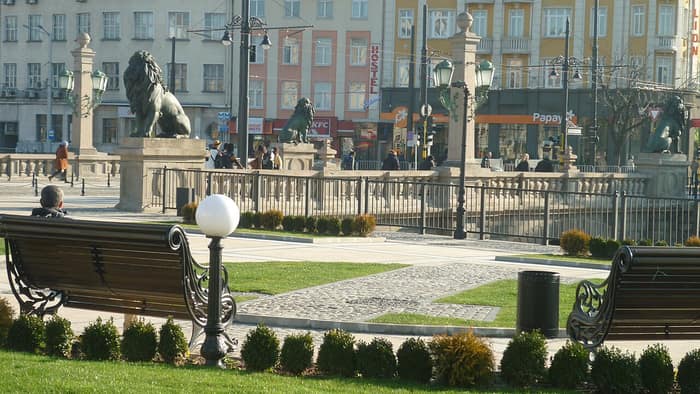
Lions' Bridge
Sofia · 1891 bridge guarded by four bronze lions
54 km away