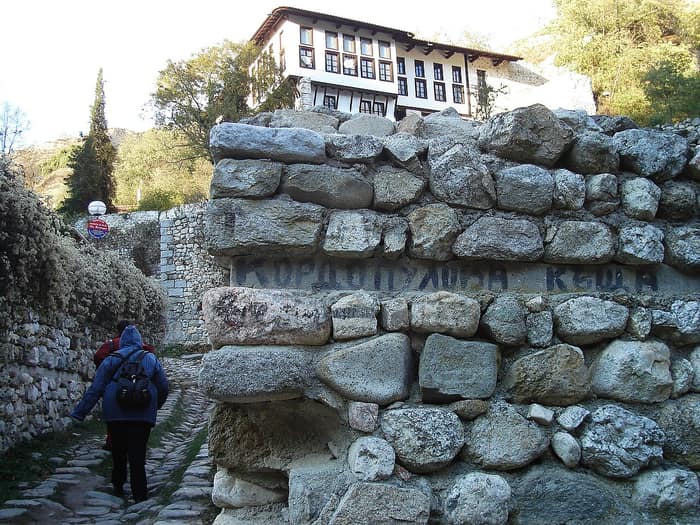
Kordopulov House, the Wine Merchant's Mansion of Melnik
The Kordopulov House is a large late Ottoman and Bulgarian Revival mansion in Melnik, the small wine town in south-western Bulgaria near the Greek border. Built in 1754 for making, storing and trading wine, it is described as possibly the largest house of its kind in the Balkans, and it holds a long cellar tunnel cut into the rock. It is one of the best stops on a day among Melnik's wine houses.
In the dining room of this Melnik mansion stands a cupboard where a third person could sit unseen and listen in while two others struck a deal. The house was built for wine in 1754.
The history of Kordopulov House
The house was built in 1754, in the late Ottoman period, in the small wine town of Melnik in the foothills of the Pirin Mountains. It was designed from the start as a place to make, store and trade wine, and it belonged to the wealthy Greek merchant family Kordopoulos. Melnik had a long wine tradition: its local grape, the Shiroka Melnishka Loza, is said to have been grown since antiquity.
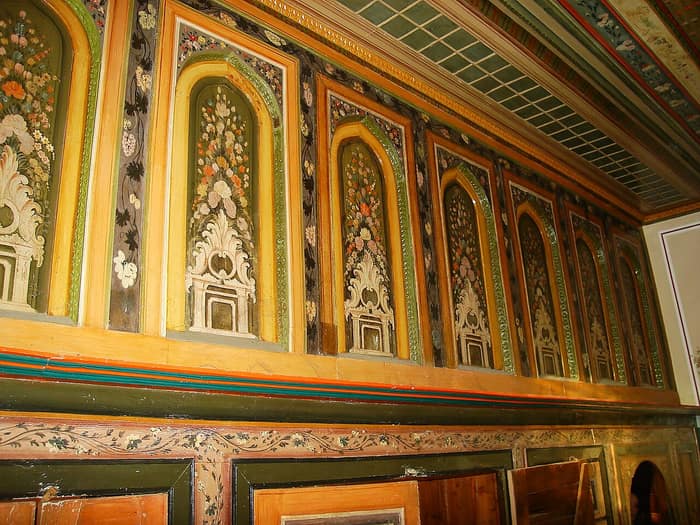
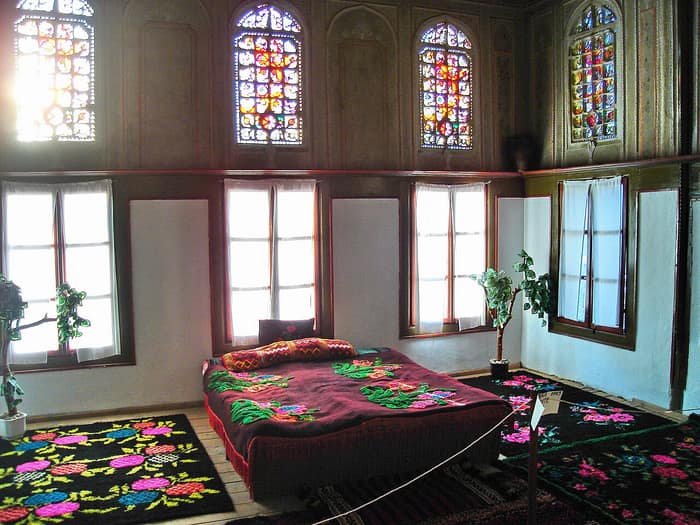
The house is built in the style known as archontiko, typical of the south-western Macedonian lands and northern Epirus. Some sources point to a master builder who may also have raised Melnik's metropolitan church of St Nicholas, though this is only an assumption. Over the years it came to be counted among the largest and oldest preserved Balkan houses, and in its main room Venetian-style murals, carved wood and stained glass can still be admired.
The best-known representative of the family was Manolis Kordopoulos, a wine merchant who traded across Europe, with Paris and Venice named among his markets. He studied winemaking in France and modernised the trade in Melnik. In the years before the Balkan wars he gave shelter in his home to the Bulgarian revolutionary Yane Sandanski. Sources disagree on the year of his death, linked to the turbulent years around 1912 and 1916, so the date is not given here.
After the family line ended, the house passed to Agnesa, who is described either as a maid or as a sister of a Kordopoulos. She married Georgi Tsinstarov, and the couple adopted a nephew. The house was thoroughly restored between 1974 and 1980 under the architect Georgi Labov. Today it is a private museum with a special area for wine tasting, and it has been named one of the 100 national tourist sites of Bulgaria, listed as number 4 on the Bulgarian tourist union's list.
Curious facts about Kordopulov House
- The dining room has a special cupboard, used when two people made a deal, in which a third person could sit unseen; it also opens into the living room.
- The living-room ceiling shows a sun in the centre and twelve geometric figures that stand for the twelve apostles and the twelve months of the year.
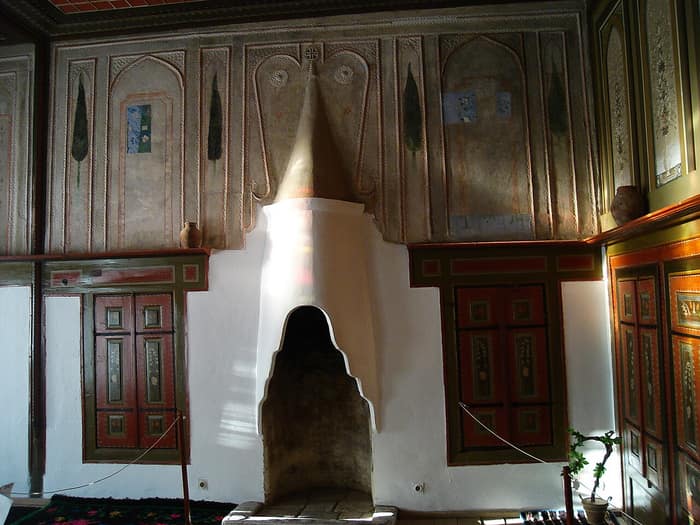
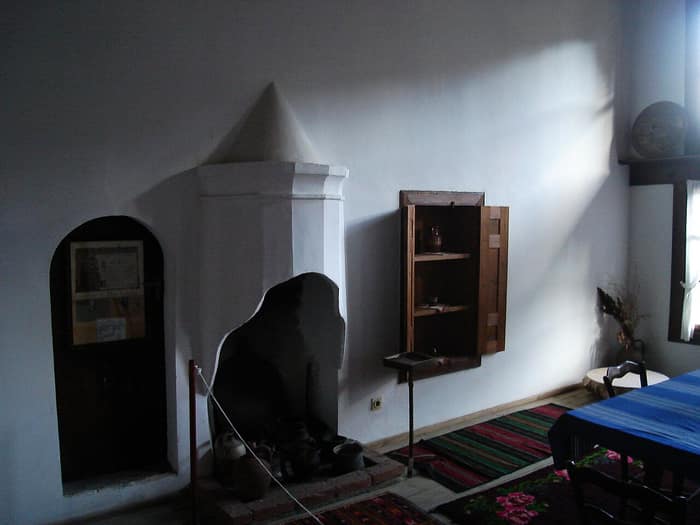
- One bedroom has a fireplace shaped like a minaret and topped with an Orthodox cross, a sign of how different communities lived side by side.
- The cellar is a tunnel dug into the rock that can hold about 300 tonnes of wine, and the biggest cask alone takes 12.5 tonnes.
- The house has seven inner staircases, and two of its four floors are made of stone.
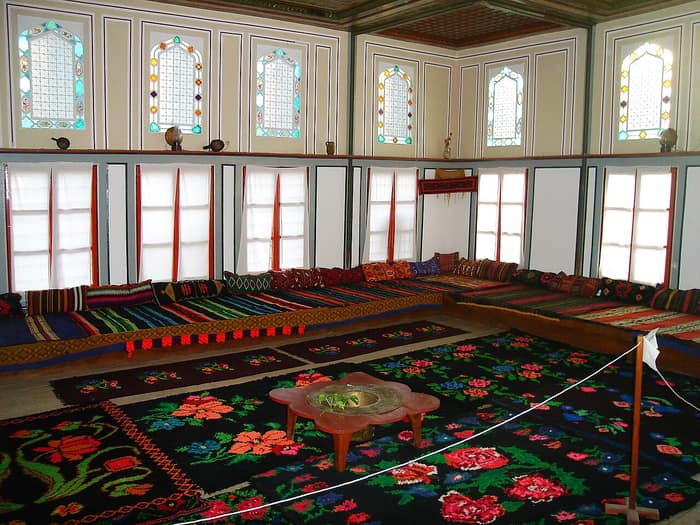
- The living room measures about 90 square metres, with 24 windows set in two rows: the upper row mixes Venetian and Oriental style, the lower is typical of the Bulgarian Revival.
Tours near Kordopulov House
Experiences in the area that you can book online with Viator:


Visiting Kordopulov House: what to expect
- The house is a private museum with a wine-tasting area; check the current opening hours and visiting conditions before you go.
- Look for the large living room with its two rows of windows, the painted ceiling, the minaret-shaped fireplace, the winter garden and the summer terrace with a stone sundial.
- The cellar corridors are relatively narrow and low in places and are fitted with ventilation channels.
- The ruins of a family chapel dedicated to St Barbara lie outside the house, and the Pasha's House and the Boyar's House stand close by.
- Rozhen Monastery lies only about 2 km away, so both can be combined in one outing.
Opening hours, access and conditions can change. Check before you go.
Map: where Kordopulov House is
Photos of Kordopulov House
Questions
What is Kordopulov House in Melnik?
It is a large late Ottoman and Revival-era house in Melnik, built in 1754 for wine production, storage and trade. Today it is a private museum with a wine-tasting area.
Where is Kordopulov House?
It stands in the eastern part of Melnik, a small town in south-western Bulgaria near the Greek border. Rozhen Monastery is about 2 km away.
Who built Kordopulov House?
It was built in 1754 and belonged to the wealthy Greek merchant family Kordopoulos. The builder is not named in the sources.
What is special about the cellar?
The cellar is a tunnel dug into the rock that holds about 300 tonnes of wine. The largest cask takes 12.5 tonnes.
How old is Kordopulov House?
It dates from 1754. It was restored between 1974 and 1980.
What else is worth seeing near Kordopulov House?
The Pasha's House and the Boyar's House are close by, and Rozhen Monastery is about 2 km away. Melnik is also known for its wine, especially the local Shiroka Melnishka Loza variety.
Also nearby
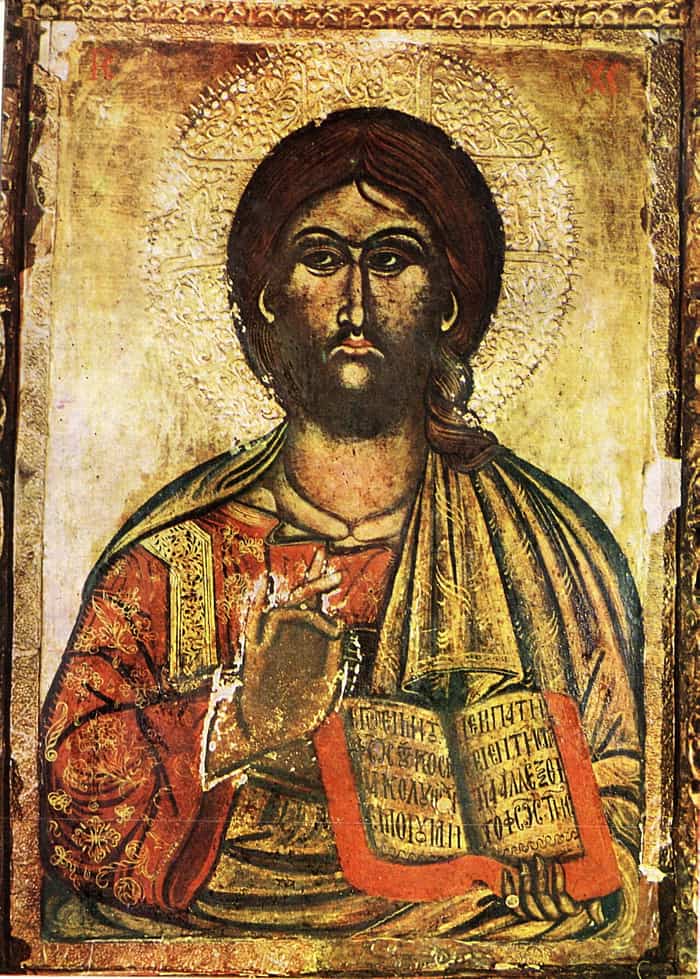
Rozhen Monastery
Melnik · Pirin's largest monastery, frescoes and sacred icon
2.5 km away
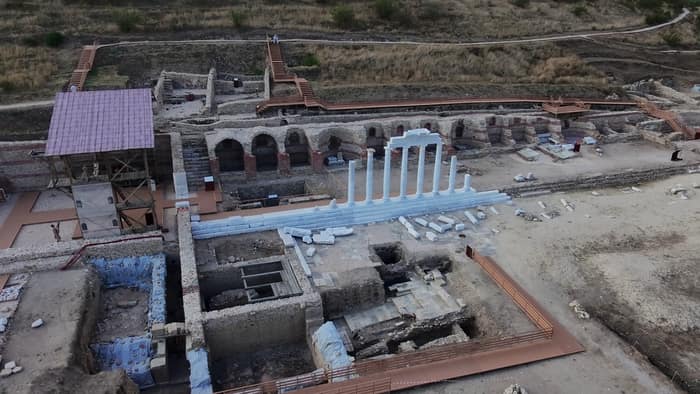
Heraclea Sintica
Rupite · ancient city located thanks to a chance inscription
14 km away
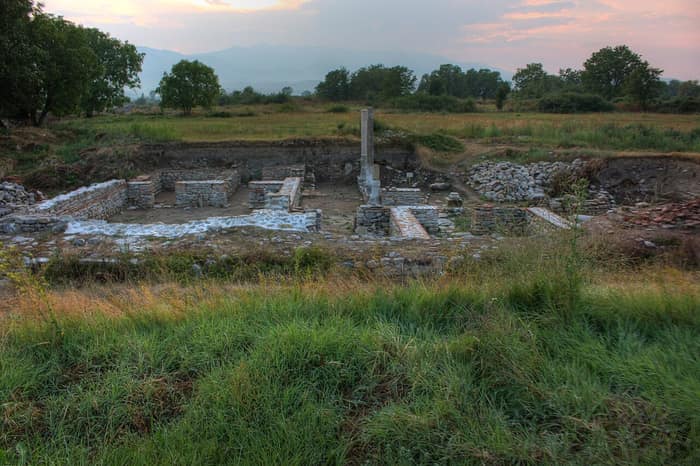
Nicopolis ad Nestum
Garmen · Roman walls, baths and mosaics by the Mesta
34 km away
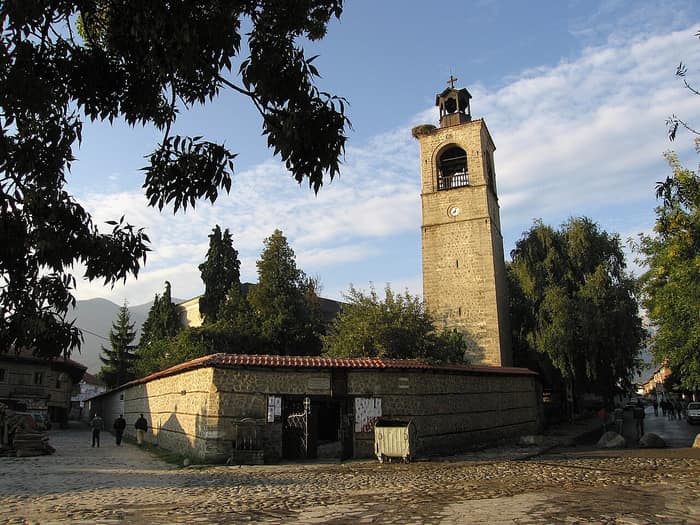
Church of the Holy Trinity in Bansko
Bansko · a modest-looking church with a grand Revival interior
35 km away