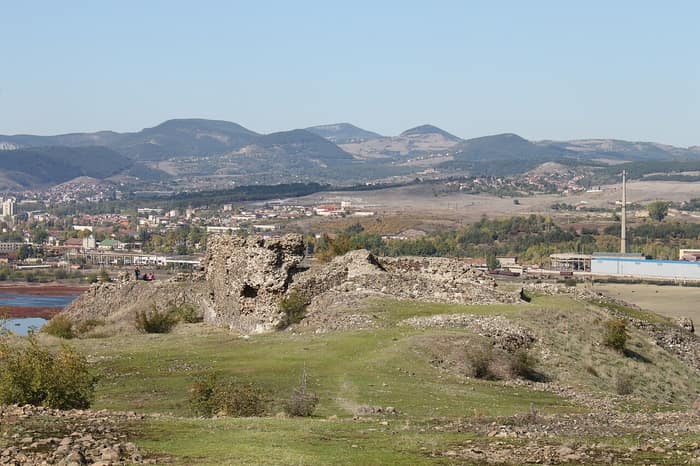
Vishegrad Fortress, the Medieval “High Town” of the Rhodopes
Vishegrad is a small medieval fortress on a 306-metre hill on the right bank of the Arda, just north of the village of Vishegrad and east of Kardzhali. The name means “High Town”, and the stronghold probably served as the seat of a local governor. A much older Thracian fort stands on another hill close by, which makes the spot a compact lesson in Rhodope history.
Two fortresses stand on neighbouring hills above the Arda: a Thracian one dated to around 1200 BC and a medieval one. Together with a nearby monastery, they are seen as the roots of today’s Kardzhali.
The history of Vishegrad Fortress
The story of Vishegrad begins before the medieval fortress, on Harman Kaya, a 369-metre hill south of the village. Artefacts found there date the Thracian fort to the transition between the Bronze Age and the Early Iron Age, around 1200–1100 BC. Its northern side is closed by an arched wall about two metres thick, preserved to roughly a metre in height, built of rough stones set in mud mortar, with an entrance about two metres wide at the eastern end. Archaeologists cleared the walls and interior in 1971–1974 and found the floors of dugouts, the foundations of furnaces, fragments of clay vessels, iron tools and weapons. The settlers are assumed to have kept using the place through Antiquity and the Middle Ages, in the days of the First and Second Bulgarian Empires.
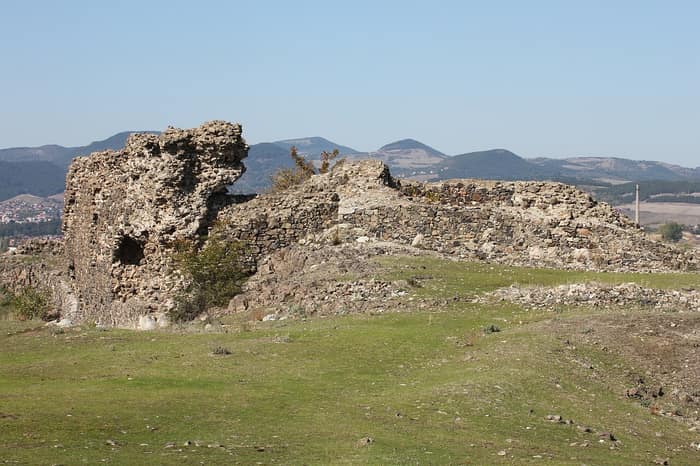
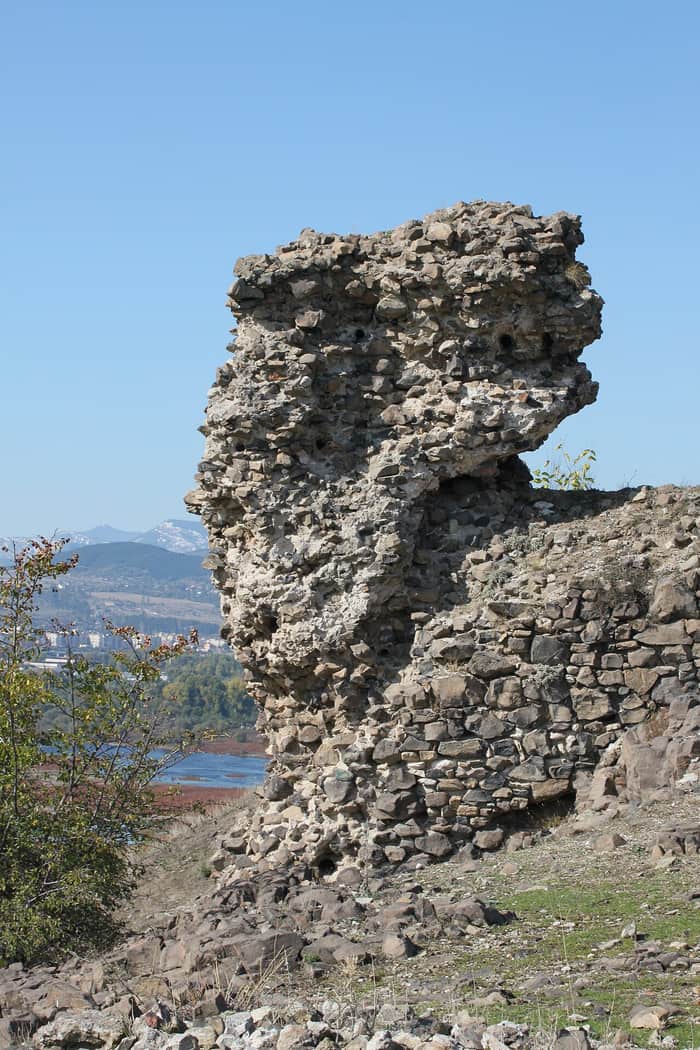
The medieval fortress on the lower hill, at 306 metres, is the one most visitors mean by Vishegrad. Its origins are placed in the fourth century AD, but everything that survives dates from the Middle Ages. Its building traditions have much in common with the old Bulgarian cities of the First and Second Empires, such as Pliska, Preslav, Tarnovo and Mesembria. The relatively well-preserved citadel was probably the residence of the governor of the medieval region of Achridos. The stronghold is small, covering only about 560 square metres, yet its south wall runs for 75 metres and still stands up to 7 metres high.
Two rectangular towers strengthen the walls. One, at the eastern end, measures about 9.1 by 7.5 metres, with walls 2.3 metres thick and plaster mixed with crushed brick; its ground floor was probably a water reservoir, and an outer stone staircase led to the upper floor. The other tower stands in the middle of the south wall, next to what was probably a postern gate. A second wall, built about five metres in front of the south wall, forms a hall 51 metres long. The northern slope is a rock massif, yet a defensive wall was built there too, so the fortress was closed on every side. The main entrance, in the south-east, was first 2.5 metres wide and later narrowed to 1.2 metres.
The position was chosen with care. From Vishegrad there is excellent visibility to the larger Monyak fortress on the left bank of the Arda about 4.5 kilometres east, and to the fortified Monastery of John the Precursor about 2.5 kilometres to the west. Vishegrad and Monyak were probably built to guard the region around the mouth of the Varbitsa, part of a secondary road between the great cities of Philippopolis, today’s Plovdiv, and Adrianople. Together with the monastery’s fortifications and a medieval settlement that existed from the ninth to the fourteenth century, Vishegrad is regarded as the forerunner of the modern town of Kardzhali. The fortress was destroyed in the aftermath of the Bulgarian–Ottoman wars in the fourteenth century. It was declared a monument of culture of national importance in 1968.
Curious facts about Vishegrad Fortress
- The name Vishegrad is of Bulgarian origin and means “High Town”, a name given to fortresses in other European countries too.
- Some local people call the fortress by a Turkish-sounding name, Hisar Yustyu, meaning “Upper Fortress”.
- The main entrance was first 2.5 metres wide, but later a wall narrowed it to 1.2 metres.
- The ground floor of the east tower was plastered with mortar mixed with crushed brick and was probably a water cistern.
- A group of at least 17 Thracian burial mounds lies about 150 metres south-west of the village, and they were investigated between 1970 and 1972.
- The site has a clear line of sight to the Monyak fortress across the river and to the fortress of the monastery of John the Precursor.
Tours near Vishegrad Fortress
Experiences in the area that you can book online with Viator:



Visiting Vishegrad Fortress: what to expect
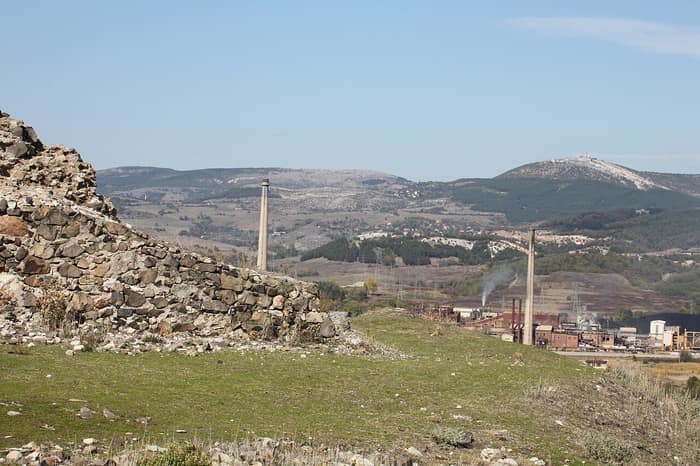
- The fortress rises above the Studen Kladenets reservoir, just north of the village of Vishegrad; the sources do not describe the access path or any visitor facilities, so ask locally before you go.
- Look for the 75-metre south wall, the two rectangular towers and the narrowed main gate on the south-east side.
- The Thracian fort on Harman Kaya, about a kilometre away, has low walls of rough stone and an eastern entrance; the views are a good reason to climb.
- Perperikon lies about 12 km away, Ustra Fortress about 22 km and the Devil’s Bridge (Dyavolski most) about 24 km, so the fortress fits easily into a day of exploring the Eastern Rhodopes.
Opening hours, access and conditions can change. Check before you go.
Map: where Vishegrad Fortress is
Photos of Vishegrad Fortress
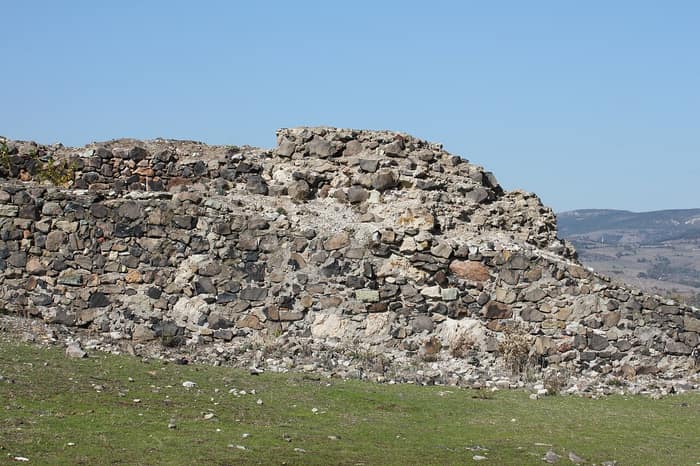
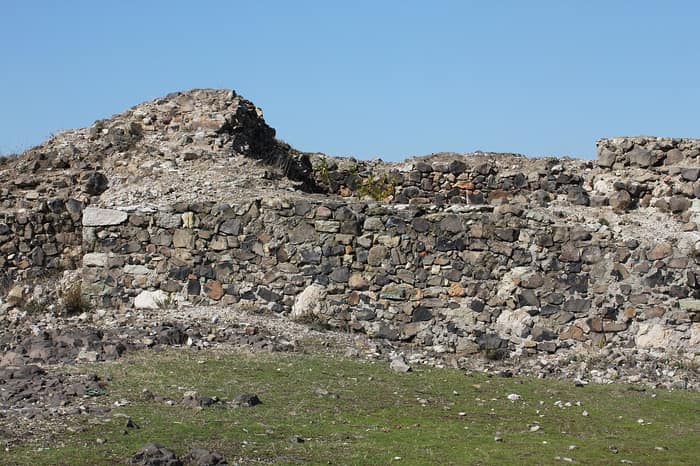
Questions
What is Vishegrad Fortress?
Vishegrad is a small medieval fortress on a hill above the Arda valley in the Rhodope Mountains. Its name means “High Town”, and it was probably the residence of a local governor.
Where is Vishegrad Fortress and how far is it from Kardzhali?
It stands just north of the village of Vishegrad in Kardzhali Province, a few kilometres east of the town of Kardzhali, above the Studen Kladenets reservoir.
How old is Vishegrad Fortress?
The medieval fortress has its origins in the fourth century AD, although all surviving structures are medieval. The Thracian fort on a nearby hill goes back to around 1200–1100 BC.
Why was Vishegrad built there?
Together with Monyak, it probably guarded the area around the mouth of the Varbitsa on a secondary road between Philippopolis and Adrianople. It also has views of other fortifications in the valley.
What happened to Vishegrad Fortress?
It was destroyed in the aftermath of the Bulgarian–Ottoman wars in the fourteenth century.
What else is worth seeing near Vishegrad?
Perperikon is about 12 km away, Ustra Fortress about 22 km and the Devil’s Bridge about 24 km. The monastery fortress of John the Precursor lies roughly 2.5 km west.
Also nearby
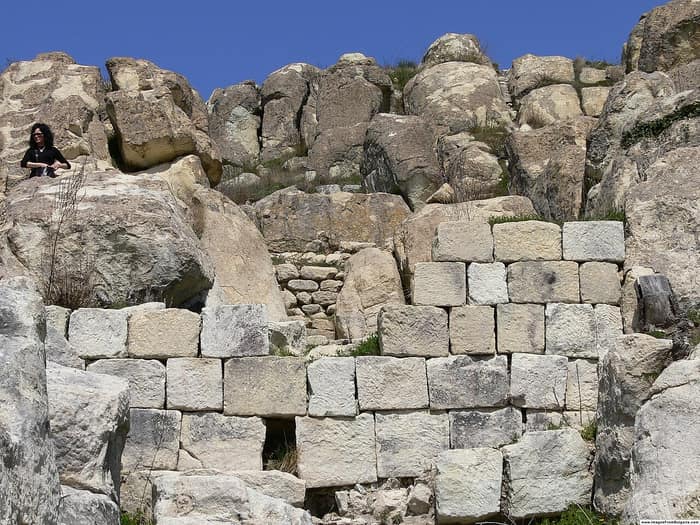
Perperikon
Kardzhali · rock-cut Thracian city and Balkan megalith giant
12 km away
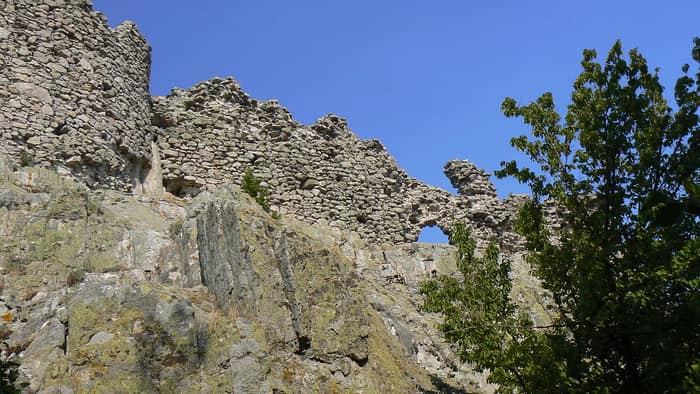
Ustra Fortress
Ustren · high, well-preserved Rhodope fortress with towers
22 km away
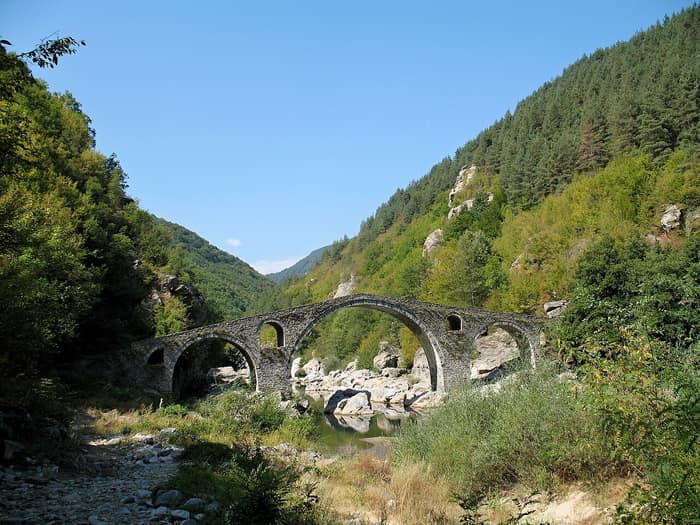
Dyavolski Most (Devil's Bridge)
Ardino · stone bridge in a gorge and a deal with the Devil
24 km away
Belintash
Asenovgrad · carved rock sanctuary with unsolved riddles
45 km away